Pitbull Colors: Every Coat Color Explained (With Rarity)
The full color menu
Pitbulls come in more colors than almost any breed type – the American Pit Bull Terrier standard recognizes a huge range. The main colors:
| Color | What it looks like | Rarity |
|---|---|---|
| Black | Solid black, often with white chest | Common |
| Blue | Gray coat (diluted black), often blue nose | Popular |
| Red / Red nose | Copper to deep red coat, red-pigmented nose | Popular |
| Brindle | Tiger-striping over base color | Common |
| Fawn | Light tan, often with black mask | Common |
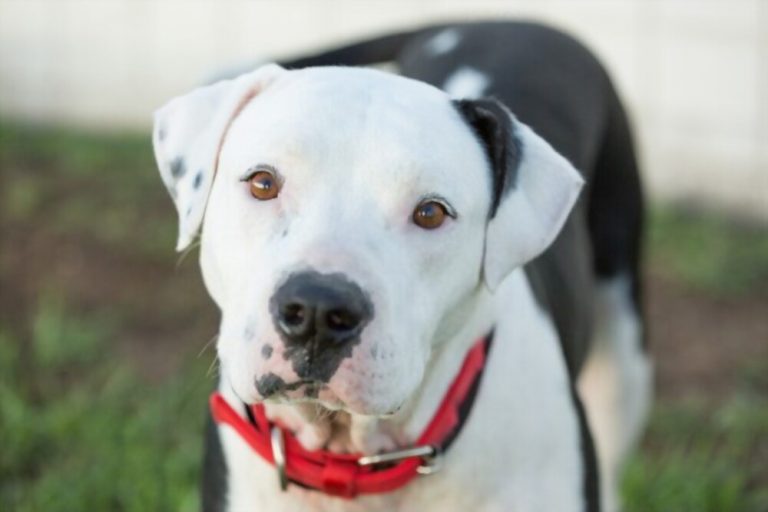
| White | Solid white or piebald patches | Less common |
| Tricolor | Black/tan/white points | Rare |
| Merle | Mottled patches (controversial – see below) | Rare, disputed |
The “blue nose” and “red nose” reality
These are the most marketed – and most misunderstood – pitbull labels. A blue nose is simply a gray-pigmented nose on a diluted black coat; a red nose is liver-pigmented. They are not breeds, not bloodlines, and not rarer temperaments – breeders charge premiums for pigment, and “blue nose pitbull” puppies often cost triple for a cosmetic trait. Judge the dog, not the nose.
The merle controversy
Merle patterning does not naturally occur in pitbull genetics – it appears when other breeds are crossed in, and breeding merle-to-merle produces deaf and blind puppies. Ethical breeders avoid merle entirely; a “rare merle pitbull” price tag is a red flag for exactly the kind of breeding you should walk away from.
Color says nothing about the dog
Temperament, drive and health come from bloodlines and breeding choices – not pigment. The sweetest dog in the shelter is as likely to be brindle as blue.
Frequently asked questions
What is the rarest pitbull color?
Solid white and true merle are rarest – and merle comes with ethical warnings, since merle-to-merle breeding causes deafness and blindness.
Related reading for pitbull parents
Free pitbull tools: Dog Exercise Calculator