Dog Wound Care at Home: The Step-by-Step
First: is this a home case?
- Home-appropriate: shallow cuts under 1 inch, scrapes, small abrasions – bright dog, bleeding stops within 5-10 minutes of pressure
- Vet required: deep or gaping wounds, punctures (bite wounds always – they seed infection), bleeding beyond 10 minutes of pressure, anything near eyes/joints, and ALL wounds with swelling or pus after 24 hours
The home care steps
- 1. Stop bleeding: firm pressure with clean gauze, 5-10 minutes
- 2. Clip the area: trim fur back an inch around the wound so you can see and keep it clean (blunt scissors, careful)
- 3. Flush generously: saline or lukewarm running water – flush OUT debris, 1-2 minutes. Never hydrogen peroxide on open tissue: it destroys healthy cells and slows healing
- 4. Clean: dilute chlorhexidine (the blue surgical scrub) or povidone-iodine diluted to weak-tea color
- 5. Pet antibiotic ointment thin layer, twice daily
- 6. Block the licking: e-collar, soft collar or sock – licking is the number one wound-ruiner
- 7. Inspect daily: healing looks like: pink, scabbing, shrinking. Infection looks like: swelling, heat, pus, smell, spreading redness
The pitbull factor
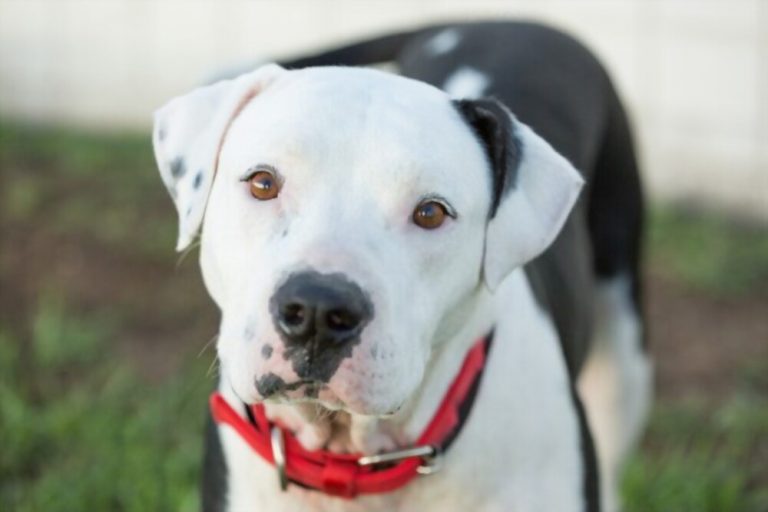
Pitbulls collect wounds silently – fence fights, rough play, fence-line scrapes – and their stoicism hides pain. Check your dog weekly (paw care routine covers it: see paw care guide), and never assume another dog’s bite wound is “just a scratch”: punctures seed bacteria deep and abscess 2-4 days later.
Part of our pitbull hub: Pitbull Health: The Complete Care Guide
Important: this guide is for information, not diagnosis. When in doubt – or for any symptom lasting more than 24-48 hours – call your veterinarian. Emergency signs noted below mean go now, not wait.
Affiliate links — we may earn a commission at no extra cost to you (see our editorial policy).
Frequently asked questions
How do I treat a dog wound at home?
For minor cuts and scrapes: clip fur around it, flush with clean saline or lukewarm water, clean with dilute chlorhexidine or betadine, apply pet-safe antibiotic ointment, and prevent licking (e-collar or sock). Never use hydrogen peroxide on wounds (damages tissue) or human creams with painkillers. Deep, gaping, bleeding-nonstop or puncture wounds: vet.
Related reading for pitbull parents
Free pitbull tools: Dog Food Calculator · Dog Exercise Calculator · Pet Insurance Estimator
Sources and further reading
This guide was researched against established veterinary references: