Puppy Hiccups: Why They Happen and When to Worry
Normal and everywhere
Puppies hiccup far more than adult dogs – their diaphragm and nervous system are still calibrating. Episodes cluster after meals, after water-gulping, during sleep, and after excitement bursts. Most puppies grow out of frequent hiccups by 6-12 months.
Part of our pitbull hub: Pitbull Health: The Complete Care Guide
What actually triggers them
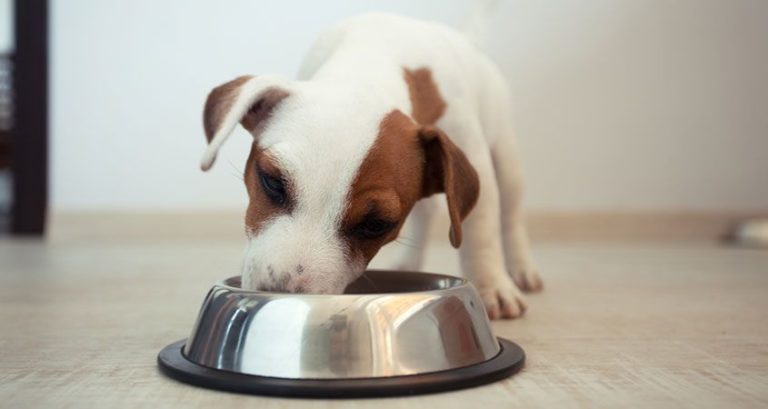
- Eating too fast (the big one)
- Drinking quickly
- Excitement and play zoomies
- Tiredness – many puppies hiccup as they fall asleep
- Growth itself: the diaphragm getting its calibration passes
Helping a hiccuping puppy
- Slow the eating: a slow-feeder bowl or spreading kibble on a tray
- Calm sips of water
- A gentle walk or light massage – changing breathing pattern helps
- Do NOT scare, over-water, or feed to “fix” it – they pass alone in minutes
When hiccups are not hiccups
Vet time if hiccups come with: gagging, coughing, retching, lethargy, loss of appetite, or breathing difficulty – that pattern suggests reflux, respiratory infection or something stuck. Hiccups lasting hours continuously also earn a check. Otherwise: film it for the memories and let the puppy grow.
Important: this guide is for information, not diagnosis. When in doubt – or for any symptom lasting more than 24-48 hours – call your veterinarian. Emergency signs noted below mean go now, not wait.
Affiliate links — we may earn a commission at no extra cost to you (see our editorial policy).
Frequently asked questions
Why does my puppy get hiccups?
Puppy hiccups are caused by an immature diaphragm spasming – usually after eating too fast, drinking fast, excitement, or just growing. They are harmless, typically last a few minutes, and fade as the puppy matures (most stop being frequent by 6-12 months). Slowing meals with a slow-feeder bowl reduces them.
Related reading for pitbull parents
Free pitbull tools: Dog Food Calculator · Dog Exercise Calculator · Water Intake Calculator